Home / Women’s Group
Women’s Group
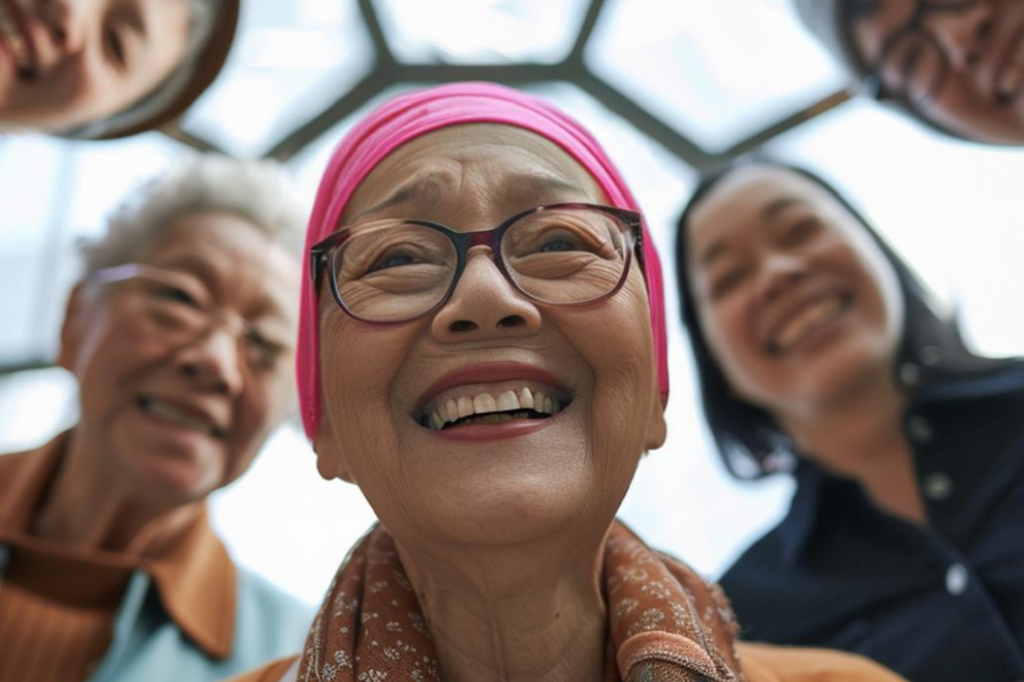
Global Parkinson’s for Inclusion and Ethnic Diversity in Parkinson’s are proud to have created a Women’s only global support group.
The reason our group exists is simple; because women experience Parkinson’s differently — biologically, socially, and emotionally — yet for decades their voices have been underrepresented in research, clinical guidance, and traditional support spaces. Creating a dedicated women’s community fills a gap that mixed‑gender groups often overlook. In addition stigma remains a specific issues in Black and Asian women with Parkinson’s.
What we have found
Women’s symptoms and progression can differ
Research shows that women may experience different motor and non‑motor symptoms, hormonal influences, medication responses, and diagnostic delays. A women‑focused group creates space to talk about these issues openly, without feeling like an outlier.
Women often carry unique social roles
Many women with Parkinson’s are simultaneously caregivers, parents, partners, or professionals. These overlapping responsibilities shape their experience of the condition and deserve a space where others truly understand the pressure.
Women are underrepresented in Parkinson’s research and leadership
Historically, Parkinson’s studies have been male‑dominated, and women’s perspectives have been less visible. A global women’s group helps amplify women’s lived experiences, which can influence advocacy, research priorities, and public awareness.
Women benefit from gender‑specific emotional support
Women often report feeling more comfortable discussing sensitive topics — such as menopause, intimacy, identity, or emotional wellbeing — in a women‑only environment. This can lead to deeper connection and more honest conversations.
Women from Black and Asian communities may suffer from specific stigmas related to a diagnosis offor Parkinson’s disease.

What we Provide to help women with Parkinson’s across the world
A safe, empathetic environment
Women can share concerns, frustrations, and fears without judgment. This emotional safety encourages openness and reduces isolation.
Targeted education and resources
Sessions can focus on topics that matter specifically to women: hormonal changes, bone health, pelvic floor issues, mental health patterns, and more. This ensures the information is relevant rather than generic.
Stronger peer‑to‑peer connection
Women often find it easier to build trust and community with others who share similar life experiences. These bonds can become long‑term sources of strength.
Empowerment through shared experience
Hearing from other women who are navigating the same challenges helps members feel seen and validated. It also encourages self‑advocacy in medical settings, where women’s symptoms are sometimes minimized or misunderstood.
Global reach, global understanding
A worldwide group brings together women from different cultures and backgrounds, expanding perspectives and creating a powerful collective voice.
Women's Group Advisory Board
Elizabeth Gordon
Elizabeth Gordon is an experienced Chief Executive Officer with a demonstrated history of over 20 years working in the non-profit organisation management industry. Skilled in Nonprofit Organisations, Strategic Planning, Start ups and new initiatives, Legal Issues, Strategic Communications, and Fundraising. Elizabeth is the Chief Executive of Parkinson’s Care and Support UK; a UK charity which focuses on holistic and integrated healthcare for people affected by Parkinson’s.
Elizabeth is a strong, ambitious leader, who is fearless when it comes to driving change and moving boundaries. She is very personable with a genuine interest in people and strong business development skills with a Bachelor of Laws – LLB focused in Law from BPP Law School and a Bachelor of Arts in Media and Communications.
Having been a carer of her father who had Parkinson’s, Elizabeth is extremely passionate about improving quality of life through holistic health, collaborative care, support for carers and mental health care for people with Parkinson’s and is striving for more inclusion in care and research amongst the BAME communities worldwide who are affected by the condition.


Dr R Mridula
Dr Rukmini Mridula Kandadai is currently working as a senior consultant neurologist and Director, Parkinsons disease and Movement disorders research centre(PDMDRC)at Yashoda hospital Hitec city, Hyderabad India.
She completed her DM (Neurology) from Nizam’s Institute of Medical Sciences, Hyderabad in 2008 and has been practicing neurology with primary focus on movement disorders for the last 18 years. Her areas of interest include various aspects of deep brain stimulation (DBS) in movement disorders, the intersection of cognition and neuro-inflammation with movement disorders and genetics of movement disorders. Her passion for DBS is evident in her work and along with her mentor and colleague Prof Rupam Borgohain, she manages more than 800 patients who have undergone DBS.
Dr Kandadai with Dr Borgohain and Dr Prashanth L Kukkle have been involved in the execution of Parkinsons Research Alliance of India – a collaborative network of movement disorders expert researchers in India. She is actively involved in research (self initiated, PRAI initiated as well as those sponsored by government and pharmaceutical agencies) and is a part of various trials. She has more than 150 publications in various journals and more than 20 chapters to her credit. As a director of PDMDRC- one of the few centres in India, completely focused on movement disorders, she is actively involved in running a fellowship program for movement disorders.
Dr Arwa Rekik
Dr. Arwa Rekik graduated from the Faculty of Medicine of Sousse, Tunisia, and is currently an Assistant Professor of Neurology with a primary focus on movement disorders. Her main areas of interest include clinical subtyping and personalized management of Parkinson’s disease and atypical parkinsonism.
In Tunisia, she pioneered the integration of artificial intelligence (AI) into neurological research through collaboration with Dr. Islem Rekik as a research member of the BASIRA Lab, exploring innovative approaches such as AI-guided cortical parcellation to investigate brain atrophy patterns.
She was the first Tunisian neurologist to be awarded the prestigious European Academy of Neurology (EAN) Clinical Fellowship in Movement Disorders (2023), completed under the mentorship of Professor K. Ray Chaudhuri at the Parkinson’s Foundation Centre of Excellence, King’s College Hospital, London, UK.
Dr. Rekik established the first dedicated Movement Disorders Day Clinic at Sahloul University Hospital in Sousse, aimed at comprehensive evaluation and management of patients with movement disorders.
Alongside her research and clinical work, she is actively involved in medical education, mentoring undergraduate medical students and promoting awareness of movement disorders.
She is an active member of the Movement Disorder Society, the American Academy of Neurology, and the European Academy of Neurology, fostering international collaboration and remaining engaged with advances in the field.

Dr Ferzana Amod representing NASA
Dr Ferzana Amod trained at the University of Witwatersrand, and did her Neurology Fellowship at in Durban. She joined the Neurology Unit at Inkosi Albert Luthuli Hospital as a Consultant in 2010 and is also an Honorary Clinical Fellow at the University of KwaZulu-Natal. In 2011, she started the Movement Disorder Clinic focusing on a multi-disciplinary team approach to treating patients with Parkinson’s Disease. Dr Amod runs the Movement Disorder Clinic and has developed the Deep Brain Stimulation Protocols for the hospital. She is a member of the African Education Committee of the Movement Disorder Society. Her research is focused on finding imaging clues in differentiating Parkinson’s disease from other diseases, the genetic aetiology of PD and clinical phenotyping.

Malaysia and SE Asia
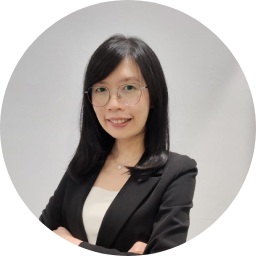
Dr Andrea Lau
Dr Andrea Lau Yue Hui is a Consultant Neurologist practising at Sunway Medical Centre Damansara, Malaysia. She specialises in neurology, with a clinical interest in Parkinson’s disease and related movement disorders.
Dr Wan Yi Min
Dr Wan Yi Min is Deputy Director of Research and Senior Consultant Psychiatrist at Ng Teng Fong General Hospital, with academic appointments at the National University of Singapore (NUS). She trained in medicine at the National University of Ireland, obtained Membership of the Royal College of Psychiatrists, and completed a PhD in Clinical Neuroscience at King’s College London under a National Medical Research Council fellowship, focusing on psychosis and apathy in Parkinson’s disease.
Her work centres on neuropsychiatric manifestations of Parkinson’s disease, with a focus on improving recognition, measurement, and management of non-motor symptoms across diverse populations. She has contributed to peer-reviewed publications and international scholarly work, with a commitment to advancing equitable, patient-centred care in neuropsychiatry.

Hong Kong and China
Dr Kit Wu
Dr Kit Wu is a Consultant Neurologist and a specialist in Parkinson’s disease and movement disorders.
Her approach centres on understanding the full impact of neurological conditions on each individual, combining clinical expertise with careful optimisation of treatment, lifestyle, and long-term management. She provides a comprehensive and coordinated approach to ensure patients feel supported at every stage of their journey.
Dr Wu completed her PhD in Clinical Neurosciences at Imperial College London, with research focusing on non-motor symptoms in Parkinson’s disease, with
over 50 abstracts and publications.
As an NHS England Clinical Entrepreneur, she is actively involved in developing innovative, technology-enabled approaches to neurological care. Her work focuses on improving patient access, enhancing clinical decision-making, and empowering individuals to take a more active role in managing their condition. She has received multiple awards for leadership and healthcare innovation, and has led a range of service.
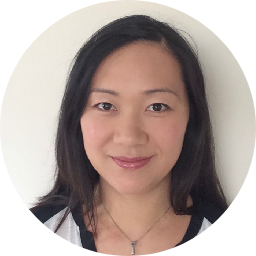
Professor Qing Wang
Dennis Qing Wang, M.D., Ph.D.
Grade II Professor
Director of Department of Neurology
Zhujiang Hospital of Southern Medical University
National University of Singapore (Ph.D)
Stanford University (Postdoctoral Fellow)
Academic & Professional Leadership
Vice Chairman, Neurology Branch of the Guangdong Medical Association and the Guangdong Medical Doctor Association.
Group Leader, Parkinson’s Disease and Movement Disorders Group, Neurology Branch of the Guangdong Medical Association.
Committee Memberships: Member of the Society for Neuroscience (SFN, USA), Committee Member of the Asian Pacific Society for Neurochemistry (APSN), and Member of the 13th Guangdong Provincial Committee of the CPPCC.
Editorial & Review Roles: Editorial Board Member for Aging and Disease and Experimental Neurology; Second-Round Review Expert for the National Natural Science Foundation of China (NSFC).
Key Honors:
Inaugural Top Ten Outstanding Young Neurologists Award (Chinese Medical Doctor Association).
Leading Talent of the Guangdong Special Support Program.
Research & Grants
Prof. Wang has undertaken over 40 research grants, including leading sub-projects of the Postdoctoral Fellow and Principal Investigator (PI) National 973 Program and National Key R&D Programs, as well as 7 grants from the National Natural Science Foundation of China (NSFC), including 1 key program and 6 general programs.
Publications & Impact
H-index: 35; over 4,000 citations (excluding self-citations)
Authored 11 SCI-indexed publications as the last corresponding author in high-impact journals (impact factor > 10), including journals such as Molecular Neurodegeneration, Brain, EBioMedicine, Science Advances, Journal of Advanced Research, and EClinicalMedicine.
Editor-in-Chief of an English-language academic monograph.
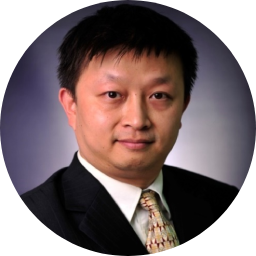
Dr Wan Yi Min
Dr Wan Yi Min is Deputy Director of Research and Senior Consultant Psychiatrist at Ng Teng Fong General Hospital, with academic appointments at the National University of Singapore (NUS). She trained in medicine at the National University of Ireland, obtained Membership of the Royal College of Psychiatrists, and completed a PhD in Clinical Neuroscience at King’s College London under a National Medical Research Council fellowship, focusing on psychosis and apathy in Parkinson’s disease.
Her work centres on neuropsychiatric manifestations of Parkinson’s disease, with a focus on improving recognition, measurement, and management of non-motor symptoms across diverse populations. She has contributed to peer-reviewed publications and international scholarly work, with a commitment to advancing equitable, patient-centred care in neuropsychiatry.
Dr Andrea Lau
Dr Andrea Lau Yue Hui is a Consultant Neurologist practising at Sunway Medical Centre Damansara, Malaysia. She specialises in neurology, with a clinical interest in Parkinson’s disease and related movement disorders.
Dr Kit Wu
Dr Kit Wu is a Consultant Neurologist and a specialist in Parkinson’s disease and movement disorders.
Her approach centres on understanding the full impact of neurological conditions on each individual, combining clinical expertise with careful optimisation of treatment, lifestyle, and long-term management. She provides a comprehensive and coordinated approach to ensure patients feel supported at every stage of their journey.
Dr Wu completed her PhD in Clinical Neurosciences at Imperial College London, with research focusing on non-motor symptoms in Parkinson’s disease, with
over 50 abstracts and publications.
As an NHS England Clinical Entrepreneur, she is actively involved in developing innovative, technology-enabled approaches to neurological care. Her work focuses on improving patient access, enhancing clinical decision-making, and empowering individuals to take a more active role in managing their condition. She has received multiple awards for leadership and healthcare innovation, and has led a range of service.
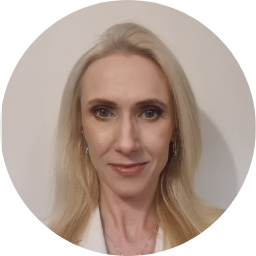
Dr Karolina Poplawska-Donaszewicz
Karolina Popławska-Domaszewicz is Assistant Professor and Vice Chair of the Department of Neurology at Poznan University of Medical Sciences, Poland. In 2023–2025 she was visiting faculty at the world-renowned King’s Parkinson’s Centre of Excellence at King’s College Hospital (KCH) in London, UK.
Dr. Popławska-Domaszewicz’s principal areas of interest include advanced therapies for Parkinson’s disease (deep brain stimulation and infusion therapies), clinical phenomenology (gait and non-motor subtyping), remote objective monitoring, and holistic care for Parkinson’s disease, including pioneering the “Stepped Care” toolkit for comprehensive real-life clinical care. Additionally, she specializes in treating focal dystonias using botulinum toxin. She has lectured across Europe, India, the UAE, Indonesia, South Africa, and Chile. She has published over 40 papers between 2022–2026 and is also guest editor of the Sleep Medicine Clinics supplement on Sleep and Parkinson’s Disease.
In addition to her other work, Dr. Popławska-Domaszewicz is involved in several research projects with the Parkinson’s Disease Non-Motor Group (PDNMG) – a global research network addressing non-motor aspects of Parkinson’s disease – as well as NASA (National Association of South African Neurology) and projects focused on digital aspects of cognition in PD. In 2025 she was a committee member of the Movement Disorder Society Industry Engagement Group, and she is a member of the PD Non-Motor Study Group, an elected member of the MDS LEAP program, and an active member of the Polish Neurological Society.
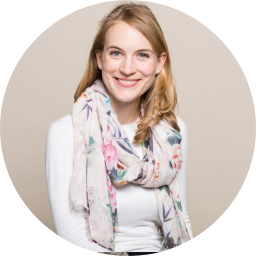
Dr Anna Sauerbier
Dr Sauerbier obtained her PhD from Kings College London working with Prof K Ray Chaudhuri at the world renowned Parkinson’s centre of excellence in London, UK. Her research focused on Parkinsonism in ethnic minorities both in the UK and globally. She is now a Consultant Neurologist and Clinical Academic at University of Cologne in Germany and an active member of the Parkinson’s nonmotor group (PDNMG). She has contributed extensively to Parkinson’s nonmotor symptoms research and specifically addressed nonmotor issues that may be relevant to Black and Asian patients with Parkinson’s.

Ms Bhaveena Patel
Bhaveena Patel is a scientist with a rich history in Consultancy in the Pharmaceutical Industry ranging from Britannia Pharmaceuticals to more recently Empatico and Artificial Intelligence as well as Wearable Sensor technology in Parkinson’s disease . She is passionate about diversity and ethnic inclusion in neurodegenerative disorders and specially Parkinson’s disease. Currently she is clinical lead and consultant for Empatico specialising in PKG technology for Parkinson’s across different racial groups globally,
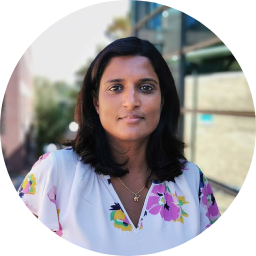
Ms Yogini Chokeepermal-Naidu
Ms Yogini Chokeepermal-Naidu is an Associate Professor in Adult Nursing at Kingston University, London, a Registered Adult Nurse, and an experienced clinical researcher specialising in Parkinson’s disease. With over 20 years of experience across clinical practice, international clinical research, and higher education, her work focuses on strengthening the interface between clinical practice, research, and nursing education, with the aim of improving outcomes for patients with long-term neurological conditions while developing the future nursing workforce.
Yogini previously worked as a Neurology Research Nurse Specialist and later as Lead Research Nurse at the Wellcome Trust Clinical Research Facility at University College London Hospitals (UCLH), where she led and supported multidisciplinary teams involved in international clinical trials. Her academic and clinical interests are strongly centred on Parkinson’s. She has been involved in several international multicentre studies and clinical trials exploring the non-motor symptoms of Parkinson’s disease and their impact on quality of life, collaborating with leading neurologists and research teams worldwide. This work has contributed to the development and validation of tools that are now widely used internationally to assess non-motor symptoms in Parkinson’s disease. Her research contributions have formed part of major international collaborations that helped develop and validate widely used assessment tools for non-motor symptoms in Parkinson’s disease.
Alongside her research, Yogini plays an important role in nursing education and workforce development, supporting the preparation of the future nursing workforce. Her current interests include inclusive and culturally sensitive research, improving participation of underrepresented communities in Parkinson’s research, and exploring innovative approaches, including digital interventions, to better support people living with Parkinson’s disease and their carers. She is committed to equity, diversity, and inclusion in healthcare and research, and actively contribute to initiatives that aim to broaden participation in research and improve representation within health professions.
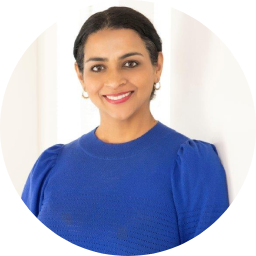
Prof Indu Subramanian
Indu Subramanian received her medical degree from the University of Toronto, Canada and did her neurology residency and Movement Disorders fellowship training at UCLA. Dr. Subramanian is a Clinical Professor of Neurology at DGSOM UCLA and works at the Veterans Administration. She did a 200 hour yoga teacher training and studied mindfulness at the VA through Insight LA. Dr. Subramanian is board certified in Integrative medicine. She is passionate about palliative care in Parkinson Disease. She did a contemplative fellowship for health care providers through the New York Zen Center and is an AAN Palatucci Fellow and completed the AAN Transforming Leaders Program. She is the chair of the Wellness Study Group at the MDS. She completed a fellowship in Medical Journalism and Health Impact. Dr. Subramanian’s main research interest is on the effects of loneliness on people living with PD and is a passionate advocate for social connection and spirituality especially in stigmatized populations.
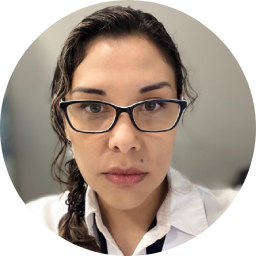
Dr Claudia Lazcano-Ocampo
Neurologist and specialist in movement disorders with more than ten years of clinical and research experience in Parkinson’s disease and other movement disorders. Extensive international training, including fellowships in Chile, the United Kingdom, and Spain. Active participation in multicenter studies and publications in high-impact scientific journals. Experience in advanced deep brain stimulation techniques and clinical trial design, with particular emphasis on the non-motor symptoms of Parkinson’s disease. Established track record in collaborative research within global networks such as the International Parkinson and Movement Disorder Society.
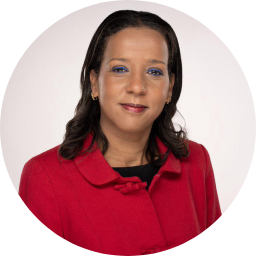
Dr Gail Busby
Dr Gail Busby has been a consultant gynaecologist for 17 years. She qualified in Trinidad in 1996. She then underwent specialist training in the Northwest of England and obtained her Membership of the Royal College of Obstetricians and Gynaecologists in 2002 followed by her Fellowship. She is a lifespan gynaecologist, seeing patients of all ages from birth through to the menopause. Her special interest is Paediatric and Adolescent Gynaecology and she started, and still leads, the tertiary referral service in Manchester for Paediatric and Adolescent Gynaecology. She has a keen interest in education and holds a PGC in medical education. She is also committed to patient education and hosts a health podcast entitled ‘I forgot to ask the doctor’, aimed at educating patients about health conditions across the spectrum of medicine. She is also the founder of the Gynaecology Health Network with the aim of educating, supporting and empowering doctors who work in gynaecology.
Sign up to receive updates
If you have Parkinson’s and wish to sign up to get involved with our work and be a part of our community, please register below.