Home / About
About Us

About Us
The Global Alliance for Inclusion and Ethnic Diversity in Parkinson’s (GAIPED) is an independent global consortium which exists to ensure accessibility, inclusion and cultural sensitivity throughout Parkinson’s care, research and clinical trials.
GAIPED was founded by Directors Professor K Ray Chaudhuri and Elizabeth Gordon in March 2026 and has an exceptional panel of advisors and key opinion leaders from across the globe, who specialise in Parkinson’s Disease care and research. In addition we have also invited members from the Pharmaceutical Industry to help work together in our aim to make clinical trials more inclusive and focus on a diverse population base.
Aims of GAIPED
- To increase participation from ethnic minority community members with Parkinson’s in clinical trials and research. (We have a track record of research and publication on this massive area of unmet need).
- To increase inclusion and improve patient care amongst those from ethnic minority community groups with Parkinson’s through culturally and racially sensitive adapted information, education and therapies.
- To work with researchers and clinicians to provide advice and support on the recruitment and inclusion of ethnic minority groups with Parkinson’s.
- To work with our Pharmaceutical Industry colleagues in our quest to improve clinical trials recruitment strategies, making trials more inclusive, striving to ensure data from trials are applicable to all as are new drug developments.
- To have an yearly meeting charting progress, publications and profile
- To fundraise and provide academic grants for bespoke projects around the globe.
- To act as an overarching global member body for the approval and recognition of clinical research and patient care which is deemed as inclusive, ethnically diverse and culturally sensitive.

Inclusion and ethnic diversity are not optional—they are essential for accurate science, fair healthcare, and effective treatments in Parkinson’s Disease. By broadening participation and tailoring care, researchers and clinicians can ensure that advances benefit all people living with Parkinson’s, not just a subset.
Directors
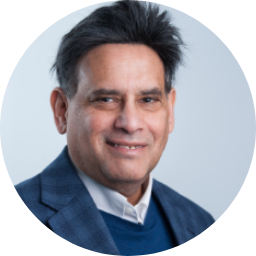
Professor K Ray Chaudhuri
Professor K. Ray Chaudhuri is Director Parkinson Foundation International Centre of Excellence at King’s College, Founder./Ex-Chairman of the MDS Non-Motor Parkinson’s Disease Study Group and member of NASA and Advisor to Parkinson’s Care and Support UK. He is author of over 500 articles, co-editor 5 PD books, winner British Medical Association Book Awards commendation, 2018 Jay Van Andel Award Outstanding Achievement PD Research, NIHR /Royal College of Physicians award for outstanding research leadership. He is an honorary member of the Movement Disorders Society 2021 and Honorary Professor Brasov University, SRM University, India and UK NHS Gold merit award in 2021. In 2022/2023 he is ranked fourth in the world for Parkinson’s publications/expertise and expertise since 2014 and no 1 in the UK (expertscape: PD).
Elizabeth Gordon
Elizabeth Gordon is an experienced Chief Executive Officer with a demonstrated history of over 20 years working in the non-profit organisation management industry. Skilled in Nonprofit Organisations, Strategic Planning, Start ups and new initiatives, Legal Issues, Strategic Communications, and Fundraising. Elizabeth is the Chief Executive of Parkinson’s Care and Support UK; a UK charity which focuses on holistic and integrated healthcare for people affected by Parkinson’s.
Elizabeth is a strong, ambitious leader, who is fearless when it comes to driving change and moving boundaries. She is very personable with a genuine interest in people and strong business development skills with a Bachelor of Laws – LLB focused in Law from BPP Law School and a Bachelor of Arts in Media and Communications.
Having been a carer of her father who had Parkinson’s, Elizabeth is extremely passionate about improving quality of life through holistic health, collaborative care, support for carers and mental health care for people with Parkinson’s and is striving for more inclusion in care and research amongst the BAME communities worldwide who are affected by the condition.

Advisors
The Middle East and South Asia

Dr Vinod Metta and PRAI
Dr Vinod Metta is Director of the Parkinson’s Centre of Excellence and a Consultant Interventional Neurologist and Movement Disorders Specialist at King’s College Hospital London – UAE, with certifications including DM(UK), MRCP(UK), and FRCP(UK). Trained at King’s College Hospital London, his expertise spans movement disorders, dystonia, and Parkinson’s disease. He did his higher specialist training at Imperial College London, University College London, and Queen Square Hospitals, further solidifying his credentials in neurology and interventional treatments. At King’s College Hospital London , Dubai he contributes to improving patient care in movement disorders by leveraging research-backed treatments and collaborative practices. With a focus on addressing non-motor symptoms in Parkinson’s disease, their work is driven by a commitment to advancing neurological care and fostering an interdisciplinary approach to patient outcomes.
Vinod is passionate about diversity and related bespoke therapies in Parkinson’s disease having led ethnicity and race focused studies related to Arabic and Asian populations as well as a recent landmark paper addressing fasting due to Ramadan and its effect on Parkinson’s.
Prof R Borgohain
Sr.Consultant Neurologist,
-Chairman, PDMDRC, Yashoda Hospitals, Hitec City, Hyderabad.
1992-2022 – Retired as Prof and Head ,Department of Neurology, NIMS, Hyderabad.
–Started the PhD program, fellowship in movement disorders program at NIMS and runs the fellowship in Movement disorders program at PDMDRC, Yashoda, Hitec city, Hyderabad
-As a researcher, has conducted many research projects in the role of biomarkers (AlzBioIndigo”- a joint collaborative, FP7 guideline project, between Govt. of India and Govt. of European Union) , brain computer interface, numerous ICH-GCP multinational clinical trials as a Principal Investigator in Parkinson’s disease (016 Safinamide study) and is the guiding force for PRAI.
-The lead author of a key international clinical trial on safinamide, an add-on therapy for Parkinson’s disease.
-Current focus is on Deep Brain Stimulation.
-Currently – Chairman, Parkinson’s Disease and Movement disorders Research Centre, Yashoda, Hitec City, Hyderabad.
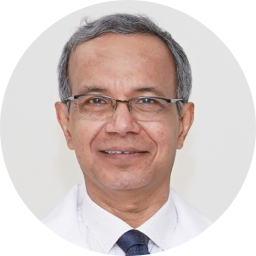
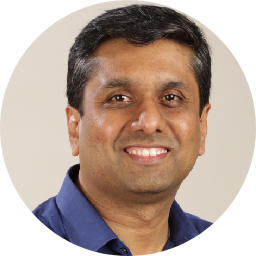
Prof L K Prashant
Dr. Prashanth Lingappa Kukkle is a neurologist and movement disorders specialist based in Bangalore, India, with a primary focus on Parkinson’s disease, atypical parkinsonism, and neurogenetics. His work centers on building large, India-centric research cohorts, advancing genomic discovery in diverse populations, and developing collaborative models that integrate clinical phenotyping, biomarkers, and translational neuroscience. He has led and coordinated multiple multicenter initiatives across India, fostering cross-disciplinary partnerships between clinicians, geneticists, data scientists, and technology experts.
Dr. Kukkle has authored numerous peer-reviewed publications and is actively involved in mentoring early-career researchers. He holds various roles of prominence in multiple international professional societies and serves on editorial boards and journal initiatives in the field of movement disorders. His broader interests include leveraging technology and AI in neurology, strengthening research infrastructure in India, and promoting patient-centered, evidence-based care in neurodegenerative disorders.
Prof V Goyal
Former Professor, Neurology, AIIMS, New Delhi.
Former Chief Editor: Annals of Indian Academy of Neurology
drvinaygoyal@gmail.com
Professional experience:
Joined as Assistant Professor, AIIMS, 2001 Ex-professor- 2020
Honours, Awards:
Past president: MDSI, 2020-2021
Past Chief Editor AIAN: 2018-2020, 2021-2023
Fellow: Indian academy of Neurology, 2018
Founder member MDSI (2014)
Founder member PRAN
AOS-MDS, Executive member 2015-2017, 2017-2019
DNA Executive member 2015-2018
NSI Executive member 2014-2017
IAN Executive member 2012-2015, 2018-2021, 2021-2023
Dr Kapil Sood Oration: UP-UK Neurocon, Mussoorie 30th Sep, 2023
“ Plaque of Appreciation” Kings Advanced Parkinson & Toxin Academy,
Dubai, 23 Sep 2023
“ Pride of RNT medical college”, 60th years RNT medical college
celebration 2022
Positivity award: BBRFI, 2019
Vishistha Chikitsa Ratna award by DMA: 2012
IMAAMS Distinguished Service Award, IMA Delhi: 2007
Boehringer-Ingelheim, Scholarship: 2006
Shri Om Bansal Shivshakti group award: 2000
Mrs. Dwarka Prasad Trust Grant: 1997
Gold Medal (Dr. Chenna Reddy Award): 1994
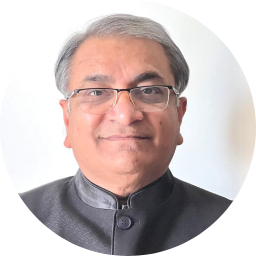

Dr R Mridula
Dr Rukmini Mridula Kandadai is currently working as a senior consultant neurologist and Director, Parkinsons disease and Movement disorders research centre(PDMDRC)at Yashoda hospital Hitec city, Hyderabad India.
She completed her DM (Neurology) from Nizam’s Institute of Medical Sciences, Hyderabad in 2008 and has been practicing neurology with primary focus on movement disorders for the last 18 years. Her areas of interest include various aspects of deep brain stimulation (DBS) in movement disorders, the intersection of cognition and neuro-inflammation with movement disorders and genetics of movement disorders. Her passion for DBS is evident in her work and along with her mentor and colleague Prof Rupam Borgohain, she manages more than 800 patients who have undergone DBS.
Dr Kandadai with Dr Borgohain and Dr Prashanth L Kukkle have been involved in the execution of Parkinsons Research Alliance of India – a collaborative network of movement disorders expert researchers in India. She is actively involved in research (self initiated, PRAI initiated as well as those sponsored by government and pharmaceutical agencies) and is a part of various trials. She has more than 150 publications in various journals and more than 20 chapters to her credit. As a director of PDMDRC- one of the few centres in India, completely focused on movement disorders, she is actively involved in running a fellowship program for movement disorders.
Prof R Dhamija
Prof. Rajinder K. Dhamija is a distinguished Neurologist, Professor of Neurology and Director at the Institute of Human Behavior and Allied Sciences, New Delhi. Prof Dhamija brings about 30 years of extensive experience and exceptional accomplishments in Neurology and Public Health. He has led pioneering research in Neurology especially in field of Stroke and Movement Disorders which is well recognized internationally.
Prof. Dhamija was awarded Commonwealth staff academic fellowship in 2000 and 2003 and WHO fellowship in National Stroke Research Institute Melbourne Australia in 2004 WHO fellow at National Institute of Epidemiology in 2012.
Prof. Dhamija has published more than 195 peer review indexed research papers and book chapters including publications in Nature group, Lancet, Neurology, JAMA Neurology and BMJ. He is also Chair of Movement Disorders at World Federation of Neuro-rehabilitation (WFNR).More recently he has been appointed Chair of National Task Force on Brain Health by Govt. of India and Lancet Commissioner for Lancet for his work in Neurorehabilitation. A sought after advisor, he has contributed to prestigious organizations globally. Prof. Dhamija’s impact extends across borders shaping Neurology and Medical Education worldwide.
North Africa
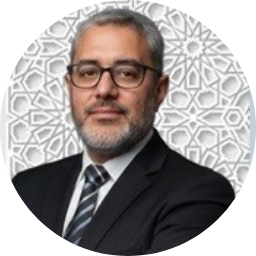
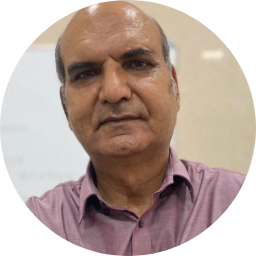
Prof A Salash
Ali Shalash graduated from the Faculty of Medicine, Ain Shams University, Cairo, Egypt, in 1998. He completed his PhD in Neurology in 2007 and was appointed Professor of Neurology in 2017. He undertook advanced training programs at Christian-Albrechts University, Kiel, Germany, in 2012, and at University College London (UCL), UK, in 2014.
He is the founder of the first Movement Disorders Clinic at Ain Shams University and serves as Secretary of the Movement Disorders Chapter of the Egyptian Society of Neurology. He also acts as the Clinical Coordinator of the Egyptian Network of Neurodegenerative Diseases (ENND).
Prof. Shalash has published extensively in high-impact international journals and is the author of two books on general neurology and neurological examination. He has led distinguished national and international clinical research projects and collaborated with global experts, particularly in the fields of Parkinson’s disease and essential tremor. He is the founder of the Egyptian Parkinson’s Disease Research Group, which has conducted several multicenter national studies. In recognition of his scientific contributions, he has received multiple awards from national institutions and the Movement Disorders Society (MDS).
Prof. Shalash has organized numerous national and international educational activities, both in-person and virtual, in the field of movement disorders. He has also been nominated as a Consultant to the World Health Organization (WHO) for the launch of Parkinson’s Disease: A Public Health Approach – Technical Brief and initiatives addressing global disparities in Parkinson’s disease.
Currently, he is the Head of the Ain Shams Movement Disorders Group, Past Chair of the MDS-Africa Education Committee, and the current Chair of the MDS African Section. He also serves as an Associate Editor of Movement Disorders Clinical Practice (MDCP) and as a Guest Editor for npj Parkinson’s Disease (a Nature Portfolio journal).
Dr Arwa Rekik
Dr. Arwa Rekik graduated from the Faculty of Medicine of Sousse, Tunisia, and is currently an Assistant Professor of Neurology with a primary focus on movement disorders. Her main areas of interest include clinical subtyping and personalized management of Parkinson’s disease and atypical parkinsonism.
In Tunisia, she pioneered the integration of artificial intelligence (AI) into neurological research through collaboration with Dr. Islem Rekik as a research member of the BASIRA Lab, exploring innovative approaches such as AI-guided cortical parcellation to investigate brain atrophy patterns.
She was the first Tunisian neurologist to be awarded the prestigious European Academy of Neurology (EAN) Clinical Fellowship in Movement Disorders (2023), completed under the mentorship of Professor K. Ray Chaudhuri at the Parkinson’s Foundation Centre of Excellence, King’s College Hospital, London, UK.
Dr. Rekik established the first dedicated Movement Disorders Day Clinic at Sahloul University Hospital in Sousse, aimed at comprehensive evaluation and management of patients with movement disorders.
Alongside her research and clinical work, she is actively involved in medical education, mentoring undergraduate medical students and promoting awareness of movement disorders.
She is an active member of the Movement Disorder Society, the American Academy of Neurology, and the European Academy of Neurology, fostering international collaboration and remaining engaged with advances in the field.
South Africa
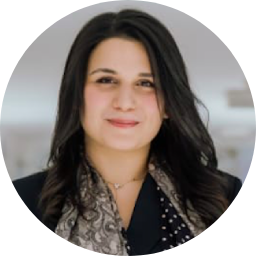
Dr Ferzana Amod representing NASA
Dr Ferzana Amod trained at the University of Witwatersrand, and did her Neurology Fellowship at in Durban. She joined the Neurology Unit at Inkosi Albert Luthuli Hospital as a Consultant in 2010 and is also an Honorary Clinical Fellow at the University of KwaZulu-Natal. In 2011, she started the Movement Disorder Clinic focusing on a multi-disciplinary team approach to treating patients with Parkinson’s Disease. Dr Amod runs the Movement Disorder Clinic and has developed the Deep Brain Stimulation Protocols for the hospital. She is a member of the African Education Committee of the Movement Disorder Society. Her research is focused on finding imaging clues in differentiating Parkinson’s disease from other diseases, the genetic aetiology of PD and clinical phenotyping.

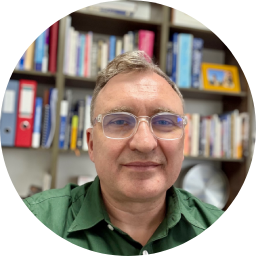
Prof Riaan van Coller
Riaan van Coller is a neurologist in Pretoria, South Africa with an interest is in Parkinson’s disease and movement disorders and Deep Brain Stimulation treatment.
He earned his medical and neurology qualifications at the University of Pretoria and later pursued a PhD focusing on syndromes of familial myoclonus.
As a consultant in the Neurology Department at the University of Pretoria, he is responsible for teaching undergraduate students and neurology trainees, focusing on movement disorders. He maintains active collaborations both locally and internationally for clinical and genetic research in this field. His clinical practice is based at Life Wilgers Hospital.
He is active in the International Parkinson’s disease and Movement Disorders Society as a member of the steering committee of the Surgical Interest Group and previously as a member of the African Section Executive Committee. At the local level, he actively participates in the South African Movement Disorders Interest Group, where he is involved in organising the annual meetings.
Malaysia and SE Asia
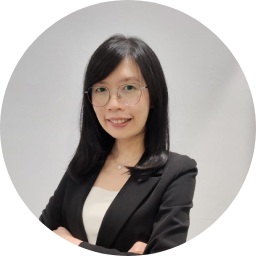
Dr Andrea Lau
Dr Andrea Lau Yue Hui is a Consultant Neurologist practising at Sunway Medical Centre Damansara, Malaysia. She specialises in neurology, with a clinical interest in Parkinson’s disease and related movement disorders.
Dr Wan Yi Min
Dr Wan Yi Min is Deputy Director of Research and Senior Consultant Psychiatrist at Ng Teng Fong General Hospital, with academic appointments at the National University of Singapore (NUS). She trained in medicine at the National University of Ireland, obtained Membership of the Royal College of Psychiatrists, and completed a PhD in Clinical Neuroscience at King’s College London under a National Medical Research Council fellowship, focusing on psychosis and apathy in Parkinson’s disease.
Her work centres on neuropsychiatric manifestations of Parkinson’s disease, with a focus on improving recognition, measurement, and management of non-motor symptoms across diverse populations. She has contributed to peer-reviewed publications and international scholarly work, with a commitment to advancing equitable, patient-centred care in neuropsychiatry.

Hong Kong and China
Dr Kit Wu
Dr Kit Wu is a Consultant Neurologist and a specialist in Parkinson’s disease and movement disorders.
Her approach centres on understanding the full impact of neurological conditions on each individual, combining clinical expertise with careful optimisation of treatment, lifestyle, and long-term management. She provides a comprehensive and coordinated approach to ensure patients feel supported at every stage of their journey.
Dr Wu completed her PhD in Clinical Neurosciences at Imperial College London, with research focusing on non-motor symptoms in Parkinson’s disease, with
over 50 abstracts and publications.
As an NHS England Clinical Entrepreneur, she is actively involved in developing innovative, technology-enabled approaches to neurological care. Her work focuses on improving patient access, enhancing clinical decision-making, and empowering individuals to take a more active role in managing their condition. She has received multiple awards for leadership and healthcare innovation, and has led a range of service.
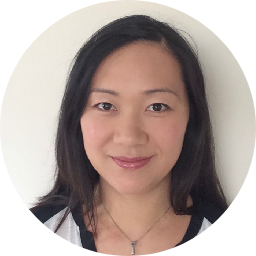
Professor Qing Wang
Dennis Qing Wang, M.D., Ph.D.
Grade II Professor
Director of Department of Neurology
Zhujiang Hospital of Southern Medical University
National University of Singapore (Ph.D)
Stanford University (Postdoctoral Fellow)
Academic & Professional Leadership
Vice Chairman, Neurology Branch of the Guangdong Medical Association and the Guangdong Medical Doctor Association.
Group Leader, Parkinson’s Disease and Movement Disorders Group, Neurology Branch of the Guangdong Medical Association.
Committee Memberships: Member of the Society for Neuroscience (SFN, USA), Committee Member of the Asian Pacific Society for Neurochemistry (APSN), and Member of the 13th Guangdong Provincial Committee of the CPPCC.
Editorial & Review Roles: Editorial Board Member for Aging and Disease and Experimental Neurology; Second-Round Review Expert for the National Natural Science Foundation of China (NSFC).
Key Honors:
Inaugural Top Ten Outstanding Young Neurologists Award (Chinese Medical Doctor Association).
Leading Talent of the Guangdong Special Support Program.
Research & Grants
Prof. Wang has undertaken over 40 research grants, including leading sub-projects of the Postdoctoral Fellow and Principal Investigator (PI) National 973 Program and National Key R&D Programs, as well as 7 grants from the National Natural Science Foundation of China (NSFC), including 1 key program and 6 general programs.
Publications & Impact
H-index: 35; over 4,000 citations (excluding self-citations)
Authored 11 SCI-indexed publications as the last corresponding author in high-impact journals (impact factor > 10), including journals such as Molecular Neurodegeneration, Brain, EBioMedicine, Science Advances, Journal of Advanced Research, and EClinicalMedicine.
Editor-in-Chief of an English-language academic monograph.
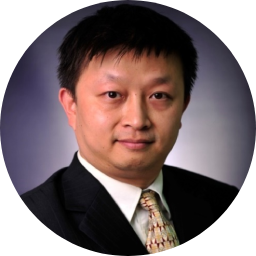
Australasia + China
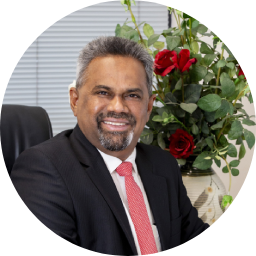
Dr C Padmakumar
Dr Chandrasekhara Pillai Padmakumar is a Consultant Geriatrician based at Newcastle,NSW,Australia.
Dr Padmakumar`s Special Interest is in the field of Parkinson`s Disease in the Older Person.
Dr Padmakumar trained in General Medicine & Geriatric Medicine at South Yorkshire & Humberside Postgraduate Deanery, UK.
He is a Fellow of the Royal College of Physicians,Edinburgh and Royal Australasian College of Physicians,Australia.
As the Chairman of Hunter Postgraduate Medical Institute ,University of Newcastle he had been actively involved with Parkinson`s Disease Educations in the region of Hunter in Regional NSW.He is the Chairman of the Hunter Parkinson`s Society which holds regular Virtual Educational Meetings with involvement of leading clinicians from across the world in the field of Parkinson’s Disease & Related Disorders.
Dr Padmakumar had been involved with Parkinson`s Disease related Educational activities in Australia,UK,Singapore & India.
Dr Wan Yi Min
Dr Wan Yi Min is Deputy Director of Research and Senior Consultant Psychiatrist at Ng Teng Fong General Hospital, with academic appointments at the National University of Singapore (NUS). She trained in medicine at the National University of Ireland, obtained Membership of the Royal College of Psychiatrists, and completed a PhD in Clinical Neuroscience at King’s College London under a National Medical Research Council fellowship, focusing on psychosis and apathy in Parkinson’s disease.
Her work centres on neuropsychiatric manifestations of Parkinson’s disease, with a focus on improving recognition, measurement, and management of non-motor symptoms across diverse populations. She has contributed to peer-reviewed publications and international scholarly work, with a commitment to advancing equitable, patient-centred care in neuropsychiatry.
Professor Qing Wang
Dennis Qing Wang, M.D., Ph.D.
Grade II Professor
Director of Department of Neurology
Zhujiang Hospital of Southern Medical University
National University of Singapore (Ph.D)
Stanford University (Postdoctoral Fellow)
Academic & Professional Leadership
Vice Chairman, Neurology Branch of the Guangdong Medical Association and the Guangdong Medical Doctor Association.
Group Leader, Parkinson’s Disease and Movement Disorders Group, Neurology Branch of the Guangdong Medical Association.
Committee Memberships: Member of the Society for Neuroscience (SFN, USA), Committee Member of the Asian Pacific Society for Neurochemistry (APSN), and Member of the 13th Guangdong Provincial Committee of the CPPCC.
Editorial & Review Roles: Editorial Board Member for Aging and Disease and Experimental Neurology; Second-Round Review Expert for the National Natural Science Foundation of China (NSFC).
Key Honors:
Inaugural Top Ten Outstanding Young Neurologists Award (Chinese Medical Doctor Association).
Leading Talent of the Guangdong Special Support Program.
Research & Grants
Prof. Wang has undertaken over 40 research grants, including leading sub-projects of the Postdoctoral Fellow and Principal Investigator (PI) National 973 Program and National Key R&D Programs, as well as 7 grants from the National Natural Science Foundation of China (NSFC), including 1 key program and 6 general programs.
Publications & Impact
H-index: 35; over 4,000 citations (excluding self-citations)
Published over 90 SCI-indexed publications.
Authored 11 SCI-indexed publications as the last corresponding author in high-impact journals (impact factor > 10), including journals such as Molecular Neurodegeneration, Brain, EBioMedicine, Science Advances, Journal of Advanced Research, and EClinicalMedicine.
Editor-in-Chief of an English-language academic monograph.
Dr Andrea Lau
Dr Andrea Lau Yue Hui is a Consultant Neurologist practising at Sunway Medical Centre Damansara, Malaysia. She specialises in neurology, with a clinical interest in Parkinson’s disease and related movement disorders.
Dr Kit Wu
Dr Kit Wu is a Consultant Neurologist and a specialist in Parkinson’s disease and movement disorders.
Her approach centres on understanding the full impact of neurological conditions on each individual, combining clinical expertise with careful optimisation of treatment, lifestyle, and long-term management. She provides a comprehensive and coordinated approach to ensure patients feel supported at every stage of their journey.
Dr Wu completed her PhD in Clinical Neurosciences at Imperial College London, with research focusing on non-motor symptoms in Parkinson’s disease, with
over 50 abstracts and publications.
As an NHS England Clinical Entrepreneur, she is actively involved in developing innovative, technology-enabled approaches to neurological care. Her work focuses on improving patient access, enhancing clinical decision-making, and empowering individuals to take a more active role in managing their condition. She has received multiple awards for leadership and healthcare innovation, and has led a range of service.
Europe and the UK
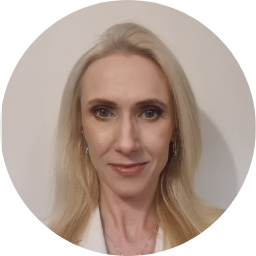
Dr Karolina Poplawska-Donaszewicz
Karolina Popławska-Domaszewicz is Assistant Professor and Vice Chair of the Department of Neurology at Poznan University of Medical Sciences, Poland. In 2023–2025 she was visiting faculty at the world-renowned King’s Parkinson’s Centre of Excellence at King’s College Hospital (KCH) in London, UK.
Dr. Popławska-Domaszewicz’s principal areas of interest include advanced therapies for Parkinson’s disease (deep brain stimulation and infusion therapies), clinical phenomenology (gait and non-motor subtyping), remote objective monitoring, and holistic care for Parkinson’s disease, including pioneering the “Stepped Care” toolkit for comprehensive real-life clinical care. Additionally, she specializes in treating focal dystonias using botulinum toxin. She has lectured across Europe, India, the UAE, Indonesia, South Africa, and Chile. She has published over 40 papers between 2022–2026 and is also guest editor of the Sleep Medicine Clinics supplement on Sleep and Parkinson’s Disease.
In addition to her other work, Dr. Popławska-Domaszewicz is involved in several research projects with the Parkinson’s Disease Non-Motor Group (PDNMG) – a global research network addressing non-motor aspects of Parkinson’s disease – as well as NASA (National Association of South African Neurology) and projects focused on digital aspects of cognition in PD. In 2025 she was a committee member of the Movement Disorder Society Industry Engagement Group, and she is a member of the PD Non-Motor Study Group, an elected member of the MDS LEAP program, and an active member of the Polish Neurological Society.
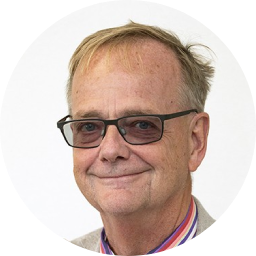
Prof Per Odin
Professor Odin finished medical school at the Uppsala University, Sweden 1982, then presented his PhD thesis at the same university in 1987. He became specialist in Neurology 1993 at the Lund University, Sweden and got his first Professorship at the Medical School Hannover, Germany in 1998. He was head of the Dept of Neurology at Central Hospital Bremenhaven, Germany 2001-2018. Odin is since 2013 Professor of Neurology at Lund University, Sweden. He is since 2018 head of the Division of Neurology, Lund University. Odin has focused his interest on Movement Disorders since 1987 and his main research areas concern late stage Parkinson´s disease (PD), monitoring of PD, continuous dopaminergic stimulation in PD, pump therapies for PD, non-motor PD symptoms and cell transplantation in PD. Odin is chair of the Scandinavian Movement Disorder Society, scientific secretary of the Swedish Movement Disorder Society and chair of the Swedish Parkinson research network SWEPAR. Odin is vice chair of MDS Non-motor Parkinson´s Disease Study Group, NMPDSG.
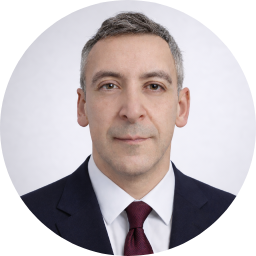
Dr Haider Dafsari
Dr. Haidar S. Dafsari is a board-certified neurologist and clinician-scientist at the University Hospital Cologne, Germany, where he serves as a senior consultant neurologist and academic leader in movement disorders and advanced neuromodulation. His clinical and research work focuses on Parkinson’s disease, deep brain stimulation, and the non-motor dimensions of neurodegenerative disease, with particular expertise in cognition, neuropsychiatric symptoms, and quality of life. He works at the interface of specialist patient care, translational neuroscience, and outcomes research, with the goal of improving individualized treatment strategies and advancing more precise, patient-centered models of care.
Dr. Dafsari has established and led large-scale clinical research programs in Parkinson’s disease and deep brain stimulation, including one of the largest deeply phenotyped cohorts in this field. He serves as Chair of the Non-Motor Parkinson’s Disease Study Group of the German Parkinson Society and leads the Deep Brain Stimulation section of the Non-Motor Parkinson’s Disease Study Group within the International Parkinson and Movement Disorder Society. He has authored numerous peer-reviewed publications, contributed to guideline- and policy-relevant work, and built sustained international collaborations across Europe and beyond. His broader leadership focus is on strengthening equitable access to high-quality Parkinson’s care, improving representation in research, and shaping clinically meaningful, culturally sensitive frameworks that can inform practice, policy, and future global research initiatives.
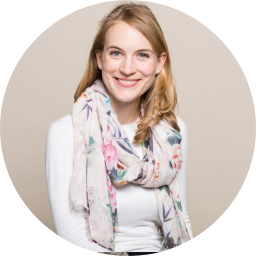
Dr Anna Sauerbier
Dr Sauerbier obtained her PhD from Kings College London working with Prof K Ray Chaudhuri at the world renowned Parkinson’s centre of excellence in London, UK. Her research focused on Parkinsonism in ethnic minorities both in the UK and globally. She is now a Consultant Neurologist and Clinical Academic at University of Cologne in Germany and an active member of the Parkinson’s nonmotor group (PDNMG). She has contributed extensively to Parkinson’s nonmotor symptoms research and specifically addressed nonmotor issues that may be relevant to Black and Asian patients with Parkinson’s.
Dr Kit Wu
Dr Kit Wu is a Consultant Neurologist and a specialist in Parkinson’s disease and movement disorders.
Her approach centres on understanding the full impact of neurological conditions on each individual, combining clinical expertise with careful optimisation of treatment, lifestyle, and long-term management. She provides a comprehensive and coordinated approach to ensure patients feel supported at every stage of their journey.
Dr Wu completed her PhD in Clinical Neurosciences at Imperial College London, with research focusing on non-motor symptoms in Parkinson’s disease, with over 50 abstracts and publications.
As an NHS England Clinical Entrepreneur, she is actively involved in developing innovative, technology-enabled approaches to neurological care. Her work focuses on improving patient access, enhancing clinical decision-making, and empowering individuals to take a more active role in managing their condition. She has received multiple awards for leadership and healthcare innovation, and has led a range of service improvement initiatives across London.
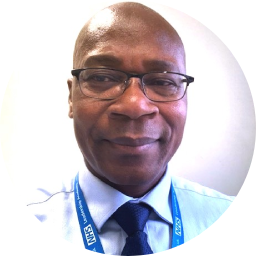
Mr Chris Gonde
Dr Chris Gonde is an exceptional Clinical Scientist whose leadership, scientific innovation and unwavering commitment to tackling health inequalities have shaped practice across the NHS. With more than 20 years’ experience in liver transplantation and diagnostic science, he combines deep clinical expertise with a powerful drive for equity and inclusion.
A nationally recognised expert in Therapeutic Drug Monitoring, Chris has authored 25+ peer‑reviewed publications, advancing safe, precise and personalised care for transplant patients. His research on improving ethnic minority participation in clinical trials addresses critical gaps in representation and health equity.
Chris’s impact extends far beyond the laboratory. He led a Department of Health-funded organ donation campaign that transformed engagement with Black and Minority Ethnic communities and delivered major gains in awareness and participation. His influence also shapes national policy through roles such as HSJ Judge for Patient Safety and Health Inequalities and as a contributor to the Messenger & Pollard Review on NHS leadership.
Inside his organisations, Chris is a catalyst for culture change. As Chair of the 1,500‑member King’s REACH Network, he has driven pioneering programmes tackling racism, discrimination and harassment, and played a central role in establishing King’s first EDI Department. He now supports Synnovis and SynLab UK as Expert EDI Advisor to the Chief Scientific Officer, helping craft diagnostic equity strategies across the organisation.
His impact has been recognised through multiple major awards, including the Excellence in Diversity Award (2022), DEI Special Commendation (2024), IBMS EDI Finalist (2025) and King’s Inclusive Leader Award (2025).
Dr Gonde stands as a model of modern NHS leadership—scientifically rigorous, socially driven, and dedicated to making world‑class healthcare equitable for all.

Ms Bhaveena Patel
Bhaveena Patel is a scientist with a rich history in Consultancy in the Pharmaceutical Industry ranging from Britannia Pharmaceuticals to more recently Empatico and Artificial Intelligence as well as Wearable Sensor technology in Parkinson’s disease . She is passionate about diversity and ethnic inclusion in neurodegenerative disorders and specially Parkinson’s disease. Currently she is clinical lead and consultant for Empatico specialising in PKG technology for Parkinson’s across different racial groups globally,
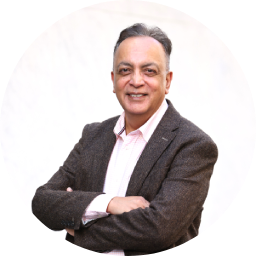
Bharat Amlani
Bharat Amlani is an experienced pharmaceutical medical affairs professional who is deeply committed to improving the lives of people living with Parkinson’s disease. He has held roles at several pharmaceutical companies and is currently Senior Director, Medical Affairs at STADA Specialty, where he works with cross‑functional teams to ensure that Parkinson’s therapies are used safely, effectively, and in ways that reflect real‑world patient and caregiver needs.
Throughout his career, Bharat has focused on medical strategy, scientific communication, and collaboration with clinical and patient experts to generate and share high‑quality clinical and real‑world evidence that can meaningfully inform the care of people with Parkinson’s. He partners with clinicians, patient organisations, and internal colleagues to ensure that all medical activities uphold the highest ethical and compliance standards.
Driven by a strong sense of responsibility to those who rely on Parkinson’s treatments, Bharat is dedicated to transparent, patient‑centred medical practice and to building partnerships that help deliver better outcomes and quality of life. His work is grounded in robust science, clear and compassionate communication, and close collaboration across medical, commercial, and regulatory functions to keep the needs and experiences of people with Parkinson’s at the heart of decision‑making.
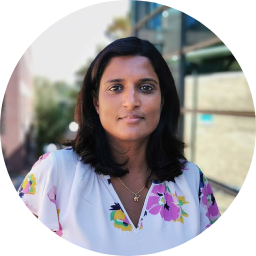
Ms Yogini Chokeepermal-Naidu
Ms Yogini Chokeepermal-Naidu is an Associate Professor in Adult Nursing at Kingston University, London, a Registered Adult Nurse, and an experienced clinical researcher specialising in Parkinson’s disease. With over 20 years of experience across clinical practice, international clinical research, and higher education, her work focuses on strengthening the interface between clinical practice, research, and nursing education, with the aim of improving outcomes for patients with long-term neurological conditions while developing the future nursing workforce.
Yogini previously worked as a Neurology Research Nurse Specialist and later as Lead Research Nurse at the Wellcome Trust Clinical Research Facility at University College London Hospitals (UCLH), where she led and supported multidisciplinary teams involved in international clinical trials. Her academic and clinical interests are strongly centred on Parkinson’s. She has been involved in several international multicentre studies and clinical trials exploring the non-motor symptoms of Parkinson’s disease and their impact on quality of life, collaborating with leading neurologists and research teams worldwide. This work has contributed to the development and validation of tools that are now widely used internationally to assess non-motor symptoms in Parkinson’s disease. Her research contributions have formed part of major international collaborations that helped develop and validate widely used assessment tools for non-motor symptoms in Parkinson’s disease.
Alongside her research, Yogini plays an important role in nursing education and workforce development, supporting the preparation of the future nursing workforce. Her current interests include inclusive and culturally sensitive research, improving participation of underrepresented communities in Parkinson’s research, and exploring innovative approaches, including digital interventions, to better support people living with Parkinson’s disease and their carers. She is committed to equity, diversity, and inclusion in healthcare and research, and actively contribute to initiatives that aim to broaden participation in research and improve representation within health professions.
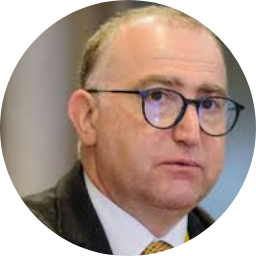
Prof Cristian Falup-Pecurariu
Professor Cristian Falup-Pecurariu is a senior consultant neurologist, Full Professor of Neurology, Chair of the Department of Neurology, Transilvania University of Brasov, Romania.
He completed a 1 year fellowship of the European Neurological Society at the University of Barcelona.
Professor Falup-Pecurariu has been extensively involved in international neurological organizations, particularly the Movement Disorder Society and the European Academy of Neurology. He has served on the MDS International Executive Committee, MDS-ES Executive Committee, Chair of the MDS-ES Education Committee, nowadays being Chair of the MDS Non motor Parkinson’s disease Study Group. Within European Academy of Neurology, he is currently Co-Chair of the Scientific Panel of Autonomic Nervous System, and member of the Program Committee. He also serves as Secretary of the European Federation of Autonomic Societies and was elected Honorary Member of the Society of Neurology of Moldova in 2019. His main research is focused on non motor symptoms in Parkinson’s disease.
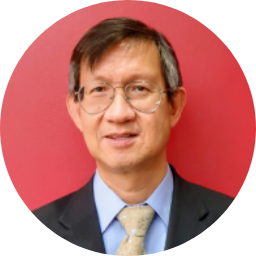
Dr Guy Chung-Faye
Dr Guy Chung-Faye is a Consultant Gastroenterologist and Physician with over 30 years’ experience. His main base is at King’s College Hospital, London, a NHS Teaching Foundation Hospital. He has specialist interests in gastro-intestinal cancers, bowel cancer screening, inflammatory bowel disease and Neuro-Gastroenterology.
He is also the Director of King’s Bowel Cancer Screening, and was the Clinical Lead in Upper GI Cancer for 15 years. He is an expert in advanced diagnostic and therapeutic endoscopy and a nationally accredited Bowel Cancer Screening Colonoscopist.
He graduated from the University of Leicester Medical School, obtained his MRCP from the Royal College of Physicians, London, and his PhD in “Gene therapy for Colon cancer” from the University of Birmingham. He has published in numerous peer reviewed journals and written several book chapters. He is active in research and clinical trials in IBD, cancer, genetics and Parkinson’s disease.
USA

Prof Indu Subramanian
Indu Subramanian received her medical degree from the University of Toronto, Canada and did her neurology residency and Movement Disorders fellowship training at UCLA. Dr. Subramanian is a Clinical Professor of Neurology at DGSOM UCLA and works at the Veterans Administration. She did a 200 hour yoga teacher training and studied mindfulness at the VA through Insight LA. Dr. Subramanian is board certified in Integrative medicine. She is passionate about palliative care in Parkinson Disease. She did a contemplative fellowship for health care providers through the New York Zen Center and is an AAN Palatucci Fellow and completed the AAN Transforming Leaders Program. She is the chair of the Wellness Study Group at the MDS. She completed a fellowship in Medical Journalism and Health Impact. Dr. Subramanian’s main research interest is on the effects of loneliness on people living with PD and is a passionate advocate for social connection and spirituality especially in stigmatized populations.
Chile and South America
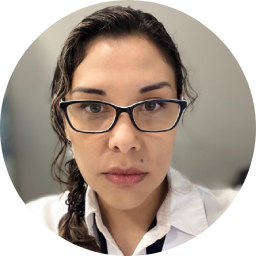
Dr Claudia Lazcano-Ocampo
Neurologist and specialist in movement disorders with more than ten years of clinical and research experience in Parkinson’s disease and other movement disorders. Extensive international training, including fellowships in Chile, the United Kingdom, and Spain. Active participation in multicenter studies and publications in high-impact scientific journals. Experience in advanced deep brain stimulation techniques and clinical trial design, with particular emphasis on the non-motor symptoms of Parkinson’s disease. Established track record in collaborative research within global networks such as the International Parkinson and Movement Disorder Society.
Industry
Mr Bharat Amlani
Bharat Amlani is an experienced pharmaceutical medical affairs professional who is deeply committed to improving the lives of people living with Parkinson’s disease. He has held roles at several pharmaceutical companies and is currently Senior Director, Medical Affairs at STADA Specialty, where he works with cross‑functional teams to ensure that Parkinson’s therapies are used safely, effectively, and in ways that reflect real‑world patient and caregiver needs.
Throughout his career, Bharat has focused on medical strategy, scientific communication, and collaboration with clinical and patient experts to generate and share high‑quality clinical and real‑world evidence that can meaningfully inform the care of people with Parkinson’s. He partners with clinicians, patient organisations, and internal colleagues to ensure that all medical activities uphold the highest ethical and compliance standards.
Driven by a strong sense of responsibility to those who rely on Parkinson’s treatments, Bharat is dedicated to transparent, patient‑centred medical practice and to building partnerships that help deliver better outcomes and quality of life. His work is grounded in robust science, clear and compassionate communication, and close collaboration across medical, commercial, and regulatory functions to keep the needs and experiences of people with Parkinson’s at the heart of decision‑making.
Policymaking
Mr Chris Gonde
Dr Chris Gonde is an exceptional Clinical Scientist whose leadership, scientific innovation and unwavering commitment to tackling health inequalities have shaped practice across the NHS. With more than 20 years’ experience in liver transplantation and diagnostic science, he combines deep clinical expertise with a powerful drive for equity and inclusion.
A nationally recognised expert in Therapeutic Drug Monitoring, Chris has authored 25+ peer‑reviewed publications, advancing safe, precise and personalised care for transplant patients. His research on improving ethnic minority participation in clinical trials addresses critical gaps in representation and health equity.
Chris’s impact extends far beyond the laboratory. He led a Department of Health-funded organ donation campaign that transformed engagement with Black and Minority Ethnic communities and delivered major gains in awareness and participation. His influence also shapes national policy through roles such as HSJ Judge for Patient Safety and Health Inequalities and as a contributor to the Messenger & Pollard Review on NHS leadership.
Inside his organisations, Chris is a catalyst for culture change. As Chair of the 1,500‑member King’s REACH Network, he has driven pioneering programmes tackling racism, discrimination and harassment, and played a central role in establishing King’s first EDI Department. He now supports Synnovis and SynLab UK as Expert EDI Advisor to the Chief Scientific Officer, helping craft diagnostic equity strategies across the organisation.
His impact has been recognised through multiple major awards, including the Excellence in Diversity Award (2022), DEI Special Commendation (2024), IBMS EDI Finalist (2025) and King’s Inclusive Leader Award (2025).
Dr Gonde stands as a model of modern NHS leadership—scientifically rigorous, socially driven, and dedicated to making world‑class healthcare equitable for all.
Dr Vinod Metta and PRAI
Dr Vinod Metta is Director of the Parkinson’s Centre of Excellence and a Consultant Interventional Neurologist and Movement Disorders Specialist at King’s College Hospital London – UAE, with certifications including DM(UK), MRCP(UK), and FRCP(UK). Trained at King’s College Hospital London, his expertise spans movement disorders, dystonia, and Parkinson’s disease. He did his higher specialist training at Imperial College London, University College London, and Queen Square Hospitals, further solidifying his credentials in neurology and interventional treatments. At King’s College Hospital London , Dubai he contributes to improving patient care in movement disorders by leveraging research-backed treatments and collaborative practices. With a focus on addressing non-motor symptoms in Parkinson’s disease, their work is driven by a commitment to advancing neurological care and fostering an interdisciplinary approach to patient outcomes.
Vinod is passionate about diversity and related bespoke therapies in Parkinson’s disease having led ethnicity and race focused studies related to Arabic and Asian populations as well as a recent landmark paper addressing fasting due to Ramadan and its effect on Parkinson’s.
Ms Bhaveena Patel
Bhaveena Patel is a scientist with a rich history in Consultancy in the Pharmaceutical Industry ranging from Britannia Pharmaceuticals to more recently Empatico and Artificial Intelligence as well as Wearable Sensor technology in Parkinson’s disease . She is passionate about diversity and ethnic inclusion in neurodegenerative disorders and specially Parkinson’s disease. Currently she is clinical lead and consultant for Empatico specialising in PKG technology for Parkinson’s across different racial groups globally,
Dr Kit Wu
Dr Kit Wu is a Consultant Neurologist and a specialist in Parkinson’s disease and movement disorders.
Her approach centres on understanding the full impact of neurological conditions on each individual, combining clinical expertise with careful optimisation of treatment, lifestyle, and long-term management. She provides a comprehensive and coordinated approach to ensure patients feel supported at every stage of their journey.
Dr Wu completed her PhD in Clinical Neurosciences at Imperial College London, with research focusing on non-motor symptoms in Parkinson’s disease, with over 50 abstracts and publications.
As an NHS England Clinical Entrepreneur, she is actively involved in developing innovative, technology-enabled approaches to neurological care. Her work focuses on improving patient access, enhancing clinical decision-making, and empowering individuals to take a more active role in managing their condition. She has received multiple awards for leadership and healthcare innovation, and has led a range of service improvement initiatives across London.
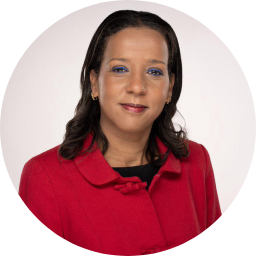
Dr Gail Busby
Dr Gail Busby has been a consultant gynaecologist for 17 years. She qualified in Trinidad in 1996. She then underwent specialist training in the Northwest of England and obtained her Membership of the Royal College of Obstetricians and Gynaecologists in 2002 followed by her Fellowship. She is a lifespan gynaecologist, seeing patients of all ages from birth through to the menopause. Her special interest is Paediatric and Adolescent Gynaecology and she started, and still leads, the tertiary referral service in Manchester for Paediatric and Adolescent Gynaecology. She has a keen interest in education and holds a PGC in medical education. She is also committed to patient education and hosts a health podcast entitled ‘I forgot to ask the doctor’, aimed at educating patients about health conditions across the spectrum of medicine. She is also the founder of the Gynaecology Health Network with the aim of educating, supporting and empowering doctors who work in gynaecology.